Hire · Sydney · Oil finishes
Floor finishing oil Sydney
Updated
Searching for floor finishing oil Sydney? On Yakka Labour you compare floor layers who apply penetrating and hardwax oils after sanding, with product names and coat counts in writing. Yakka is the marketplace. This guide explains oil types, application sequence, Sydney cost notes, cleaning rules, and how to brief quotes against polyurethane alternatives.
What floor finishing oil Sydney means on Yakka
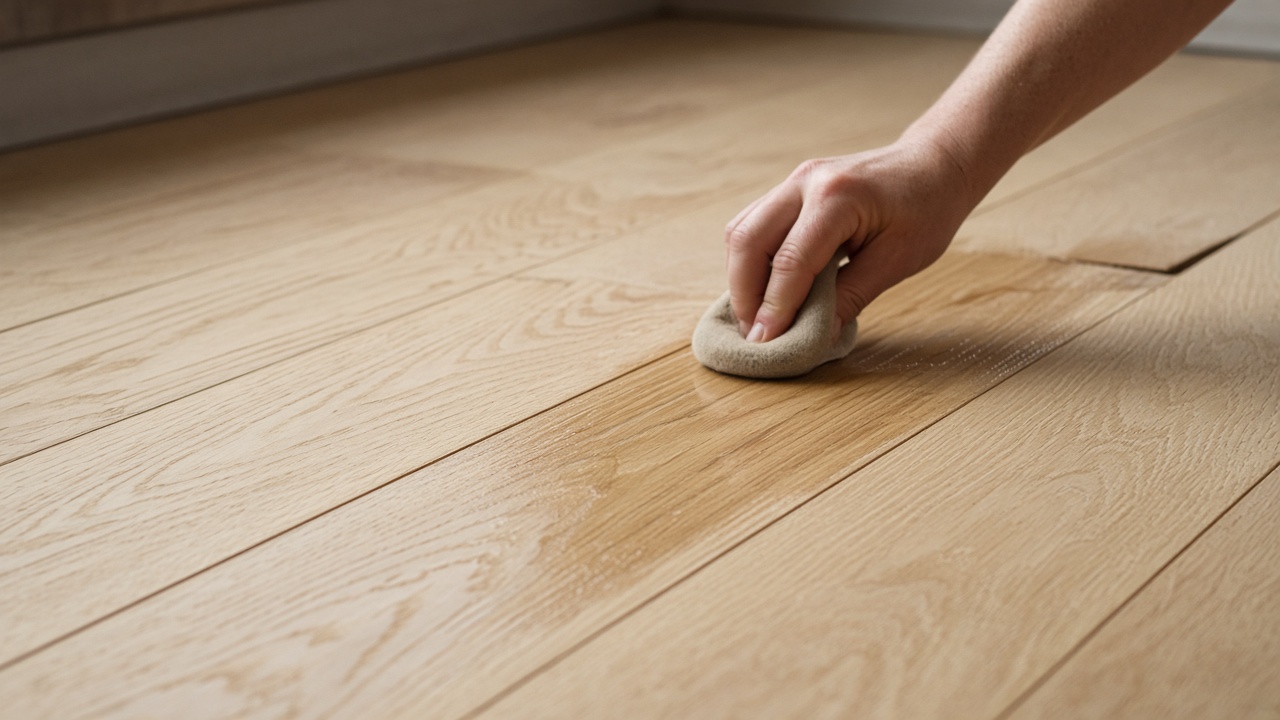
Floor finishing oil in Sydney describes penetrating oils and hardwax oils applied after timber is sanded. Unlike thick polyurethane, oil soaks into pores and leaves a thinner film on the surface. Owners choose it for a natural matt look and easier spot repair. On Yakka Labour you hire floor layers who specify product families in quotes. Yakka is the marketplace, not the crew brushing oil along skirtings.
Oiled floors feel warmer underfoot and show timber grain more honestly. They also need different cleaners and earlier maintenance coats in busy Sydney homes. Brief sheen, brand or system, and whether stain sits underneath before you compare quotes.
Marketplace positioning
Showrooms sell branded oil systems with fixed installers. Yakka lets you compare independent workers, read profiles, and request quotes with the same product name across three replies. Ask who supplies consumables and who owns public liability on site.
Who this page is for
Homeowners refreshing terraces after floor sanding Sydney. Designers specifying matt finishes in open-plan kitchens. Landlords wanting less plastic shine in rentals. Compare oil versus polyurethane before you lock a maintenance plan.
Why Sydney owners pick oil over poly film
Polyurethane builds a wear layer on top of timber. Oil changes how timber looks and feels while still protecting against spills when maintained. Beachside light and north-facing Sydney rooms favour matt oils that hide fine scratches better than gloss poly.
Aesthetics and touch
Hardwax oils leave a soft sheen. Penetrating oils can look almost bare when fresh. Both read as timber, not laminate. High-gloss poly in a heritage cottage can feel out of place next to original architraves.
Repair and localised refresh
Scuffed poly often needs a full room recoat for even sheen. Oiled floors can accept local buff and oil in traffic lanes when the system allows. That matters in rentals with annual tenant turnover.
Odour and occupied homes
Many oil systems smell less aggressively than solvent two-pack poly during application. Water-based poly is also low odour, so compare dry time and hardness, not smell alone.
Oil types sanders use in Sydney
| Scope | Indicative Sydney note (2026) |
|---|---|
| Penetrating oil | Soaks in; light maintenance; very natural look |
| Hardwax oil | Builds thin wax layer; popular for homes |
| Natural oil + wax top | Two-step systems; read data sheets |
| Oil over stain | Colour first; test patch mandatory |
| Deck oil vs interior oil | Different UV and slip specs |
Penetrating oils
Thin viscosity, multiple thin coats, often dry fast between passes. Good for designers who want grain to pop. Less forgiving if sanding marks remain visible.
Hardwax oils
Thicker body with wax components. Applied thin, buffed between coats. Common on residential sand and coat packages in Sydney when owners reject plastic shine.
Compatibility with previous coatings
You cannot oil over intact poly without abrasion and bonding primer. Sanders must take the floor back to bare or known compatible layers. Mention old coatings in your Yakka brief.
How oil finishing runs after sanding
Oil follows the same sand sequence as poly: coarse to fine, vacuum, tack cloth, then finish. Humidity in Sydney summer can shorten open times. Winter in hillside suburbs may slow cure.
Sand prep for oil
Oils show sanding swirl more than satin poly. Final grit might stop at 120 on some timbers. Edges must blend with the field. See how to sand timber floors for grit order context.
Application passes
First coat feeds the timber. Second and third build protection. Workers cut in with brush, roll or t-bar the open areas, then buff where the manufacturer requires it. Stairs cost more per tread.
Cure and furniture
Light sock traffic might resume sooner than solvent poly, but wet oil still tracks. Rugs stay off until cure completes. Get written hours before stylists or tenants return.
Floor finishing oil Sydney cost bands
Oil systems often price similarly to mid-tier water-based poly on labour, with product cost varying by brand. Stain and extra buff passes add time.
| Scope | Indicative Sydney note (2026) |
|---|---|
| Oil finish on 50 m² (after sand) | Often bundled with sand quote |
| Hardwax oil premium brand | Higher materials than basic poly |
| Maintenance oil coat later | Lower than full resand if wear is local |
| Stairs oiled per tread | Often similar stair loadings as poly |
| Deck oil exterior | Separate scope from interior lounge |
National sand and coat bands sit in the floor polishing cost guide. Ask each quote to name oil product, coat count, and maintenance interval.
Cleaning and maintenance for oiled Sydney floors
Wrong cleaners strip wax and leave dry patches. Use pH-neutral products the oil maker lists. Steam mops are usually a poor idea on oiled timber.
Recoat timing
High-traffic halls in Surry Hills terraces may want a light maintenance coat in two to four years. Low-traffic bedrooms go longer. Plan cost before you choose oil on looks alone.
Spills and pets
Wipe accidents quickly. Oiled floors forgive small scratches but not standing water from dog bowls. Mats at entries reduce grit that dulls sheen.
Sydney homes where oil is common
Inner-west renovations pairing new kitchens with original pine. North Shore architect-led matt specs. Coastal apartments where owners want less glare from floor-to-ceiling glass.
Strata and units
Low odour helps when neighbours share a lift. Confirm solvent limits with building management if any coat contains mineral spirits.
Heritage interiors
Oil suits period homes when owners accept maintenance. Dark stain under oil on Baltic pine needs extra sanding time. Link repairs via timber floor repairs Sydney if boards are damaged before oiling.
Hire oil finish skills on Yakka
-
Name oil system or ask sanders to propose two options.
-
Sheen target: matt, satin, or natural.
-
Stain yes or no, with sample patch expectation.
-
Room m², stairs, and occupied home timing.
-
Photos of current coating if not bare timber.
-
Insurance and licence questions for NSW thresholds.
Compare three quotes with identical coat counts. The cheapest oil job is expensive if maintenance was never explained.
Oiled floors in kitchens and open plans
Oil handles micro scratches in kitchens better than high-gloss poly, but standing water at the sink still needs prompt wiping. Name kitchen zones in the brief when quoting open-plan sand and oil.
Matt oil under floor-to-ceiling glass in eastern rooms shows foot traffic sooner. Maintenance coats may run every two to three years in halls while bedrooms last longer.
Hardwax oil systems often need light buff between coats. Confirm occupied-home odour and whether kids can use the upstairs level during cure.
Pair oil with floor staining Sydney only when stain and oil share a compatible system from the same manufacturer line.
Cleaning kits and supplier handover
Oil suppliers ship maintenance cleaner with first coat. Ask the worker to leave written recoating months and product SKU.
Poly floors need neutral pH cleaners; wax dips on water-based films cloud quickly.
Rugs with rubber backing trap moisture on oil in humid bathrooms. Use breathable mats or lift rugs weekly.
Vacuum grit before microfibre mopping. Sanding dust tracked indoors scratches new coat sooner than furniture.
How Sydney sanders talk about oil brands without lock-in
Owners often arrive with a Pinterest board and a European oil name they saw in a magazine. Sydney sanders work across several distributors. The useful brief names the look you want: matt, natural, honey tone, or white lye effect, plus traffic level. Let the worker propose two compatible systems with data sheets rather than arguing about brand loyalty on a quote request through Yakka.
Some oils ship concentrate and mix on site. Others arrive ready to apply. Mix errors show as tacky spots or dry patches. Ask whether the quoted price includes all coats and buff passes the manufacturer lists.
Colour oils and pigments
Pigmented oils change tone without a separate stain step on some systems. That can save a day but limits future colour changes. Clear oil over sanded jarrah looks different from pigmented oil on pine; photograph your boards in morning and afternoon light before you approve a whole house.
Overlap with decking products
Deck oils are not automatically interior grade. UV additives and slip ratings differ. If your brief includes a balcony threshold into a living room, say so. One product may not cover both legally or aesthetically.
Pair interior oil choices with domestic flooring Sydney planning when kids and pets share the same level as the oiled lounge.
Oil finish mistakes Sydney owners regret
Using generic floor cleaner that strips wax within the first year.
Rugs back on too early, leaving permanent compression marks in fresh oil.
Assuming oil over old poly without abrasion will bond. It will peel.
Choosing oil for zero maintenance. Every floor finish has a maintenance curve.
Dark oil in a low-light terrace room that shows every footprint unless you accept frequent buff maintenance.
Oil refresh without full sand
Some systems allow maintenance coats when adhesion tests pass. That is cheaper than full sand but never hides deep scratches or grey traffic lines.
Workers should document whether your boards still qualify before you skip sand. Owners assume one bottle of maintenance oil fixes five years of dog traffic.
Writing an oil finish specification for quotes
A useful specification lists sheen, number of coats, buff steps, drying hours between coats, and acceptable maintenance products for the next decade. Without that list, quotes vary by one coat and two years of performance. Ask each Yakka reply to copy the specification line for line with pass or fail notes.
Occupied Sydney apartments should note lift transport of wet rags and closed-container disposal rules. Oily rags self-heat in enclosed bins. Workers should follow manufacturer waste guidance and strata hazardous waste policies where they exist.
UV and window walls
North-facing glass cooks floor colour over years. Oils may need UV additives or strategic sheer curtains. Compare film finishes on the same sun line before choosing matt oil in a full glass wall room.
Coastal suburbs add salt film near entries. Pair oil entry maintenance with mats and gentle cleaners, not harsh degreasers that strip wax.
Kitchen open plans
Cooking vapor lands on oiled timber near islands. Maintenance plans should include more frequent light cleans, not only annual coats. Brief this honestly when comparing to porcelain tile.
Questions to ask before you hire an oil finisher
Can you show a recent oiled hall in natural light, not only a photo with flash?
What maintenance oil product will you sell or specify for year two?
How do you isolate kitchen grit during the same job as lounge oiling?
Will stairs get the same coat count as the field?
What happens if stain blotches after coat one: included fix or variation?
Sample boards and approval workflow
Never approve oil colour from a brochure alone. Sand a offcut or closet floor, apply the full coat stack, and live with it for one weekend of normal light. Sydney east-facing rooms change appearance between 7am and 4pm. Owners who skip this step often pay for a full re-sand when the amber reads too orange under LED downlights.
When hiring through Yakka, ask sanders to include one sample patch line in the quote. Variation if you reject after reasonable samples is fairer than discovering dislike after the whole level is oiled.
Final oil hire note
When your shortlist is two oil finishers on Yakka, compare written maintenance schedules side by side. The winner is not always the lower m² rate. It is the operator who explains year two maintenance in plain language and names the exact refill product you can buy locally in Sydney.
Frequently asked questions
Is oil harder than polyurethane?
Quality poly often builds a tougher plastic wear layer. Oil trades some hardness for appearance and spot repair options when maintained.
Can I oil engineered timber in Sydney?
Often yes after a light sand if the wear layer is thick enough. Thin veneers should not be heavily abraded. Confirm with the sander.
How long before furniture on oiled floors?
Follow the product data sheet. Many systems allow careful foot traffic sooner than heavy furniture. Rugs usually wait weeks.
Does Yakka supply oil products?
No. The worker you hire supplies or specifies products and applies them on site.
Can oil go over stain?
Yes when stain is dry and compatible. Always demand a cupboard test patch in Sydney daylight.
How often do Sydney halls need maintenance oil?
Depends on traffic and product. Busy halls may need a maintenance pass every few years. Ask the finisher at quote stage.
Take the next step
Floor finishing oil Sydney jobs succeed when product name, coat count, and maintenance are on the quote before hire. Send photos and m² on Yakka, compare three written scopes, then book the finisher whose oil system matches how you live in the home.
Browse floor sanding experts · Floor layers near you · Cost guide · Get the app
Keep reading
Yakka Labour Pty Ltd (ACN 659 343 521). Australia-wide, with the most activity in Sydney, Melbourne, Brisbane, Perth, Adelaide and the Gold Coast..