Hire · Sydney · Timber repairs
Timber floor repairs Sydney
Updated
Searching for timber floor repairs Sydney? On Yakka Labour you brief loose boards, gaps, stains and squeaks with photos, compare quotes from floor layers, then hire the worker who stabilises the floor before sand and coat. Yakka is the marketplace. The tradie you choose fixes the timber. This guide covers repair types, sequencing with sanding, Sydney cost bands, suburb quirks, and how to write a quote request that avoids variation surprises.
What timber floor repairs Sydney means on Yakka
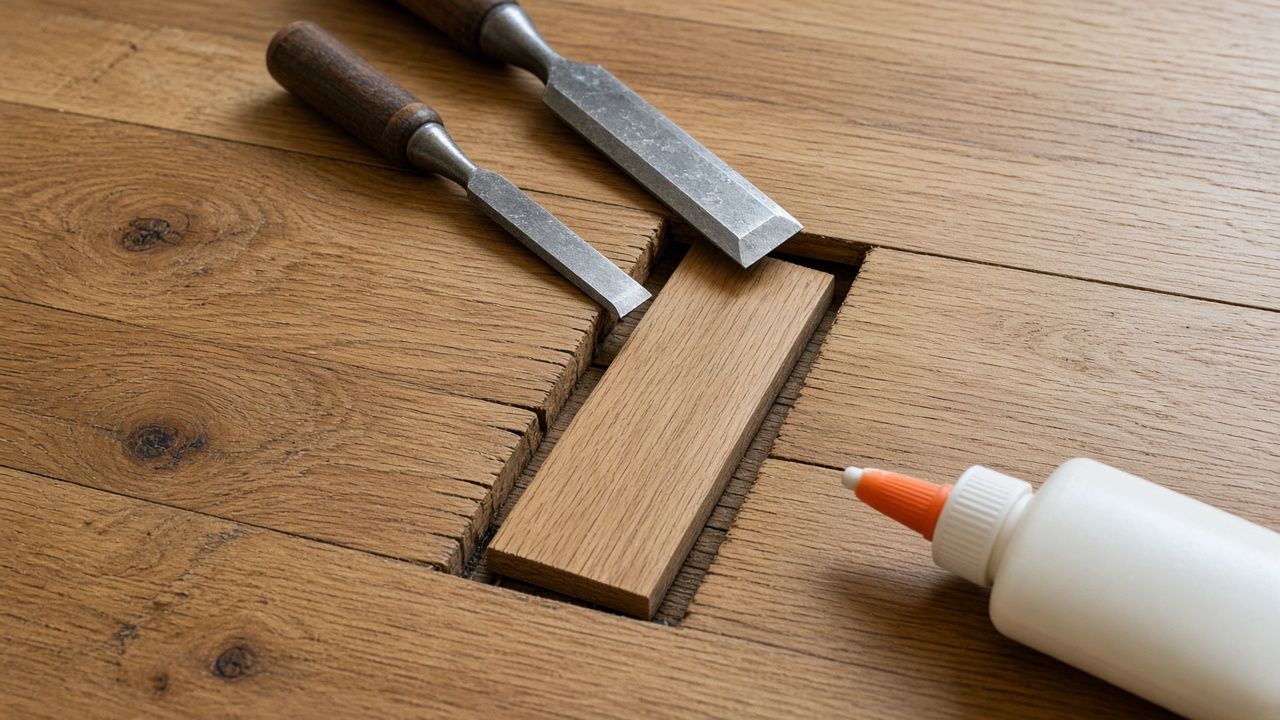
Timber floor repairs in Sydney fix loose boards, splits, pet damage, water stains and wide gaps before or after sanding. The work sits between a quick patch and a full floor restoration. On Yakka Labour you browse floor layers who list repair and sanding skills, send photos with your suburb, then hire whoever prices the scope clearly. Yakka is the marketplace. The tradie you pick drives nails, splices boards and hands over a surface the sander can cut evenly.
Repairs are not cosmetic filler alone. A floor that moves underfoot will chatter under a drum sander. Boards with rot or active leaks need a plumber or builder first. Sydney terraces often hide Baltic pine with mixed hardwood patches from previous decades. Expect visible joins unless you budget for wider board replacement and a patient stain blend.
Marketplace vs contractor vs handyman
A flooring contractor may bundle repairs inside a sand and coat quote. A handyman might screw boards without understanding tongue and groove depth. A marketplace like Yakka lets you compare profiles, ask who owns insurance, and hire the worker whose written scope matches the damage you photographed. Confirm whether repairs and sanding are one contract or two trades before anyone starts.
Who this page is for
Homeowners lifting carpet and finding soft spots. Agents documenting make-good before settlement. Landlords fixing dog scratches and swollen boards near bathrooms. Renovators sequencing repairs before floor sanding Sydney. If the damage is widespread cupping or flood damage, start with restoration guidance, then return here for line-item repair expectations.
Why Sydney homes need board repairs before sanding
Sydney humidity swings and old plumbing push movement into timber. Bathrooms without adequate waterproofing leave dark rings. Heavy furniture dragged across soft pine leaves gouges that no coat will hide. Sanding magnifies every repair shortcut: proud screws, unfilled gaps and patch boards that sit high all show through stain and polyurethane.
Pre-sale and rental make-good
Buyers notice bounce, squeaks and colour patches in hallway traffic lines. Vendors often quote sanding only, then discover twenty loose boards once carpet is gone. Landlords face tribunal photos of torn timber around doorways. Repair line items on the quote protect both sides when the sander arrives and refuses to coat until movement stops.
After leaks and insurance events
Insurers may pay for board replacement in the wet zone while leaving matching sand and coat to you. Document moisture readings if a builder dries the subfloor. Black mouldy timber needs removal, not sanding. Ask whether your repairer supplies like-for-like species or accepts a contrasting patch with strategic rug placement.
Pet and high-traffic damage
Dogs scratch through clear coat into grey timber. Deep scores need board planning or localised replacement, not filler alone. Entry mats reduce repeat work, but the first repair pass should bring the surface back to a single plane so the drum does not hop.
Common repair types and what sanders expect
Each repair method changes sanding time and stain behaviour. Brief the worker with photos from multiple angles and a coin for scale.
| Scope | Indicative Sydney note (2026) |
|---|---|
| Loose board screw-down | Often $25 to $80 per board labour in 2026; confirm countersink |
| Full board replace (pine) | Material plus labour; species match affects price |
| Gap fill (flexible) | Quoted per m² or per room; discuss movement |
| Gap fill (timber slivers) | Higher labour; better for period homes |
| Localised water stain | May need board swap if black through the grain |
| Squeak from subfloor | May need access below or screw through top |
Board replacement and splices
Replacement boards are cut along joists, removed carefully, and new stock rebated to depth. Splices in the field are visible on clear finishes. Stain can soften contrast if the species is close. Jarrah patches in Baltic pine halls rarely disappear completely; manage expectations in writing.
Gap filling strategy
Seasonal gaps in Sydney can open in winter and close in summer. Flexible fillers suit modern flats where movement is moderate. Timber slivers and glue suit heritage terraces where owners want a traditional look. Over-filling before sanding can leave ridges if the filler does not plane flush.
Nails, screws and fastening
Period floors used clouts. Modern fixes use trim screws through the face or from below when access exists. Every fastener must sit below the sanding plane. A sander will punch proud nails but will charge extra if hundreds remain.
How repair work usually runs with sanding
Sequence matters. Repairs first, sand second, coat third. Some crews do all three; others quote repairs as a separate day so moisture from adhesives can dry.
Inspection and scope
Walk the rooms with your phone camera. Mark squeaks with chalk. Lift a vent to show board thickness if you can. Send the pack through Yakka with suburb and parking notes for inner-west terraces.
Stabilise structure
Fix subfloor issues if joists are soft. Tighten floor vents. Remove rot. Only then screw, glue or replace boards. Skipping this step returns squeaks after the gloss coat cures.
Sanding integration
After repairs cure, a full sand levels patch edges and feather fillers. If you only need a buff and recoat, repairs must still be flush. Link to how to sand timber floors if you want to understand grit order while briefing a pro.
Coating after repairs
Fresh timber at patch sites may absorb stain differently. Demand a test patch in a cupboard corner. Choose oil or polyurethane with the same maintenance plan you will use in five years, not only the colour you like on a sample board.
Timber floor repairs Sydney cost bands
Repair pricing is harder to standardise than per-m² sanding. Access, species, and board count move totals faster than square metres. Use these bands as conversation starters, then get three written quotes tied to photos.
| Scope | Indicative Sydney note (2026) |
|---|---|
| Five loose boards screwed | Often $200 to $500 labour depending on access |
| Single board replace in hall | Often $150 to $400 plus timber |
| Gap fill 40 m² lounge | Often $300 to $900 depending on method |
| Pet gouge field repair | Quoted per area; may require replace |
| Stairs tread local repair | Higher per tread than flat rooms |
What inflates repair quotes
No parking on terrace streets adds carry time. Matching reclaimed Baltic pine costs more than new stock with stain. Late booking before auction weekend adds rush fees. Hidden rot under a single visible stain can multiply board count once the crew lifts timber.
Cross-check whole-job budgets with the floor polishing cost guide and add repair allowances before you compare sand-only quotes.
Sydney suburbs, access and timber types
Repair methods shift with housing stock. Mention your suburb and building type in every Yakka brief.
Inner west and east terraces
Narrow halls, soft pine, and layers of old carpet adhesive. Repairs often happen in tight light with portable tools. Carry gear up stairs. Mention if the sander follows the same week so materials can cure in sequence.
North Shore and northern beaches
Mixed species from extensions is common. Repairs may need custom milling. Salt air near balconies speeds external door transitions failing first.
Western Sydney and Hills
Larger footprints, brick homes, sometimes easier parking. Harder species like spotted gum resist denting but chew belts during later sanding. Repairs still need flush planning before machines arrive.
Units and strata
Acoustic rules and neighbour noise windows affect when pneumatic nail guns run. Engineered boards may limit how much material can be removed. Confirm with building management before face screws show in living areas.
How to hire repair skills on Yakka
Open floor sanding experts near you or the floor layer hire hub on Yakka. Filter by suburb. Some workers list repairs inside sanding packages; others partner with a carpenter. Ask in the quote request.
-
Photos of each damaged zone plus a wide room shot.
-
Species if known, or age of home and whether pine or hardwood.
-
Squeak map, soft spots, and recent leak history.
-
Whether sanding and coating follow repairs on the same quote.
-
Parking, stairs, and strata quiet hours for units.
-
Licence and insurance questions for NSW job value thresholds.
Get totals in AUD before day one. Deposits should stay modest. Cash-only quotes far below written market rates are a risk when patch work must survive a drum pass.
Repair mistakes that ruin a sand and coat
Homeowners sometimes fill wide gaps with silicone that cannot be coated. Sanding smears silicone across the field and rejects polyurethane adhesion. Use products the finisher approves in writing.
Face screws left proud catch the drum and leave rust shadows. Countersink and plug if the finish is clear.
Patch boards installed proud of neighbours create a ridge that reads under raking light even after three coats.
Skipping moisture cure after a bathroom leak leads to cupping again within a year. Repair only after readings stabilise.
Insurance, leaks and documentation
After dishwasher or washer leaks, insurers may pay board replacement in the wet zone while leaving colour matching to you. Keep mitigation invoices and moisture log photos for assessors.
Tenant damage claims need before photos aligned with the bond form item list. Loose boards and urine stains are separate repair lines from whole-room sand quotes.
Strata may insist on licensed trade for structural subfloor repair. Carpenter work and floor repair can split across two profiles on Yakka when scope is clear.
Do not coat until moisture readings stabilise. Repair quotes that skip drying time often return as cupping callbacks six months later.
Patches that still show after stain
Face plugs in pine need sanding flush before oil. Stain darkens plugs differently from field boards.
Wide gaps filled with inappropriate product can shear under drum belts. Ask repairers which filler survives coarse grit.
Radiator pipe roses and floor grates need reinstall height checked before coat.
Hallway repairs in terraces are high-light zones. Budget time for extra stain balancing on patches.
Insurance and repair documentation
After burst pipes or appliance leaks, insurers want timestamps, moisture readings, and photos before boards are lifted. Repair quotes should separate emergency make-safe from aesthetic sand and coat.
Matching boards for insurance may accept neutral patches whereas owner-occupiers demand invisible joins. State that standard in the Yakka brief.
Pre-sale repair decisions
Agents sometimes ask for cosmetic screw-down only. Buyers with building inspectors still find movement. Honest repair before sand protects the vendor after exchange.
Vendor stylist timelines pressure quick fill. Flexible filler that rejects poly ruins coat week. Specify approved fillers on the quote.
Parquet and heritage repair notes
Parquet blocks need loose pieces re-glued before any belt passes nearby. Random patterns confuse inexperienced repairers who screw through blocks instead of lifting and resetting. Sydney heritage terraces with border inlays deserve a sander who has photographed similar jobs. Yakka briefs should say parquet explicitly so profiles self-select instead of promising a standard pine hall rate.
Conservation-minded owners sometimes want reversible repairs. That may mean loose-key fixes instead of aggressive gap fill. Discuss reversibility before engineered fillers lock history away under polyurethane.
Concrete and timber thresholds
Terrace door thresholds mix materials. A timber repair alone will not fix height mismatch at external doors. Builders may need to plane or replace saddles after internal boards are stable.
Link forward to full coat planning on floor staining Sydney when repairs meet colour change goals.
Frequently asked questions
Can I sand without repairing loose boards?
You should not. Movement tears belts and leaves chatter marks that show through every coat. Stabilise boards first, then sand.
Who does repairs versus sanding on Yakka?
Many floor layers do both. Some quote repairs separately. Ask in the brief and hire the worker whose written scope covers your sequence.
How much do timber floor repairs cost in Sydney?
Small screw-down jobs might start around a few hundred dollars. Board replacement and whole-room gap fill can run into thousands. Get line items on three quotes.
Will repaired boards match after staining?
Close species and careful stain tests help. Mixed age patches in period pine may still read slightly different under gloss.
Does Yakka Labour repair floors in Sydney?
No. Yakka is a marketplace. You hire the floor layer or carpenter who performs the repair work.
Are flexible gap fillers enough before polyurethane?
Only when movement is modest and the product spec allows coating over it. Timber slivers suit many heritage floors. Follow the sander product data sheet.
Take the next step
Timber floor repairs Sydney work when your brief names every squeak, stain and loose board before the sander books. Send photos on Yakka, split repair lines from sand and coat, then hire the worker whose scope matches the boards in front of you.
Browse floor sanding experts · Floor layers near you · Cost guide · Get the app
Keep reading
Yakka Labour Pty Ltd (ACN 659 343 521). Australia-wide, with the most activity in Sydney, Melbourne, Brisbane, Perth, Adelaide and the Gold Coast..