Hire · Sydney · Finishes
Oil and polyurethane floor finishes Sydney
Updated
Choosing between oil and polyurethane floor finishes in Sydney? On Yakka Labour you compare sand and coat quotes that name product families, coat counts, and cure windows. This guide contrasts water poly, solvent two-pack, and oil systems for Sydney homes, with stain notes, cost bands, and a Yakka brief checklist.
What oil and polyurethane floor finishes Sydney means on Yakka
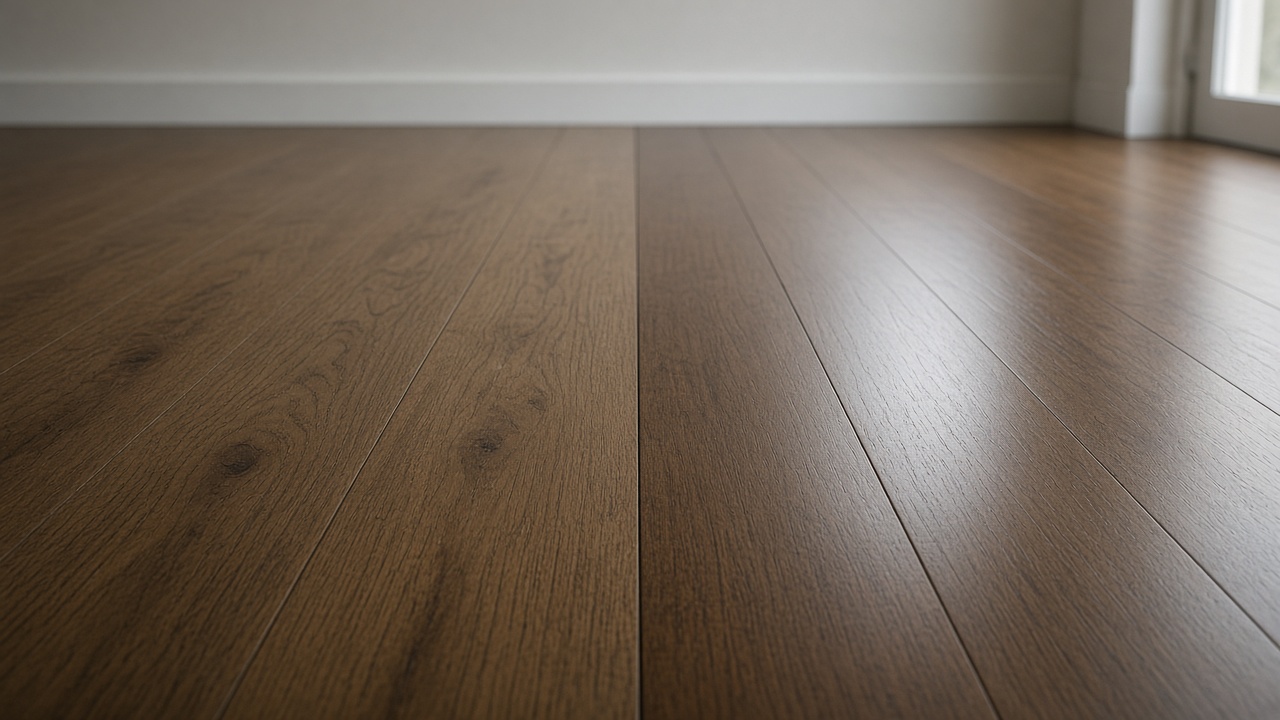
Oil and polyurethane floor finishes in Sydney are the two families owners compare after timber is sanded. Poly builds a clear or stained film on top. Oil penetrates and leaves a thinner surface with more grain showing. On Yakka Labour you hire floor layers who name the system in quotes. Yakka does not choose the finish for you.
The wrong choice is the one you picked for Instagram colour without reading maintenance. This guide compares water-based poly, solvent two-pack, penetrating oil, and hardwax oil in Sydney homes, with links to finishing oil Sydney and floor polishing Sydney when you need a single-family deep dive.
Marketplace framing
Contractors push their preferred brand. Yakka lets you request the same product name on three quotes so you compare labour and sequencing, not mystery buckets.
Oil versus polyurethane at a glance
| Scope | Indicative Sydney note (2026) |
|---|---|
| Water-based poly | Low odour, fast recoat, clear colour, good for occupied homes |
| Solvent two-pack poly | Tough film, amber cast, stronger odour, longer dry |
| Penetrating oil | Natural look, earlier maintenance, spot repair possible |
| Hardwax oil | Matt to satin, popular in designer Sydney homes |
| Stain under either | Needs perfect sand; test patch required |
Wear and scratches
Quality solvent poly historically resisted dog nails and heel marks. Modern water-based systems closed much of the gap. Oils hide micro scratches better but need refresh sooner in halls.
Colour and amber
Solvent poly warms pale pine. Water-based stays truer to sanded colour. Oils darken timber slightly depending on pigment load.
Recoat and repair
Poly recoat often needs screen buffing of the whole room for even sheen. Oil may allow localised maintenance where product guides allow it.
Water-based polyurethane in Sydney homes
Water-based systems dominate occupied domestic jobs in Sydney because recoats can stack inside a long day and smell stays manageable.
When water poly fits
Families staying upstairs. Pre-sale timelines with stylists booked. Units where strata questions solvent in lifts.
Sheen choice
Satin hides wear in family rooms. Gloss shows every scratch and is rarer in new domestic work. Matt water-based products grew in 2020s renovations.
Limitations
Cheap water systems can feel soft early. Ask for product tier, not only coat count. Stain under water poly still needs a clean sand.
Solvent two-pack polyurethane
Solvent systems remain common where owners want maximum film hardness and accept odour and overnight drying.
Ventilation and vacating
Open windows, fans, and sometimes a night away. Coastal humidity can slow cure even when odour fades.
Cost notes
Material can be cheaper per litre while labour still tracks sand time. Compare total quote, not product bucket price alone.
Commercial overlap
Small offices and retail sometimes specify solvent for traffic. Domestic buyers increasingly choose water unless dogs and kids dominate.
Oil systems after sanding
Oils suit owners who want timber to look like timber. They pair with heritage terraces and matt kitchen joinery in Sydney design projects.
Maintenance honesty
Quote should state how often halls need a maintenance coat. Skipping maintenance turns oil dull and vulnerable.
Cleaning products
Wrong soap strips wax. Get a written cleaner list at handover.
Deep oil detail lives on floor finishing oil Sydney.
Stain plus oil or poly
Stain magnifies sanding marks. Full sand to fine grit before colour. Dark walnut on mixed repairs shows patches.
Sample boards
Closet, pantry, or offcut tests in north and south light. Sydney winter grey light differs from summer glare.
Staining Sydney service page
See floor staining Sydney for colour workflows.
Finish choice and Sydney pricing
Finish family can shift materials more than labour. Oil and premium water systems may land near each other on total quote while basic solvent poly sits lower on product.
| Scope | Indicative Sydney note (2026) |
|---|---|
| Water-based three coat package | Common domestic bundle after sand |
| Solvent two-pack | Check vacate cost in your household budget |
| Hardwax oil multi coat | Often similar labour to poly |
| Stain add-on | Extra per m² on most quotes |
| Screen and recoat later | Cheaper than full resand when film intact |
Anchor budgets with the floor polishing cost guide.
Brief finish choice on Yakka
-
Name two acceptable systems if undecided (e.g. water poly or hardwax oil).
-
Sheen, stain colour, and sample patch expectation.
-
Occupied home and odour sensitivity.
-
Pets, kids, and hall traffic level.
-
Photos of existing coating if not bare timber.
-
Ask for product data sheets and cure windows.
Hire the worker who explains maintenance, not only the gloss level on a brochure.
Sheen choice and long-term maintenance
Satin hides micro scratches better than gloss in halls with raking sun. Gloss shows drum stop marks if prep was imperfect.
Water-based low-VOC systems dominate occupied Sydney homes. Solvent two-pack still appears in empty pre-sale blitz jobs where cure speed matters.
Recoat without full sand is possible when film thickness and adhesion tests pass. Ask for buff and recoat pricing separately on the first quote.
Stairs amplify sheen differences between tread and riser stain. Quote tread count and nosing detail, not only living room m².
Pre-sale coat decisions
Agents may request quick buff and recoat instead of full sand when film is intact. Test adhesion before promising gloss refresh.
Buyers inspect boards at doorways first. Heavy wear at entry may force full sand in one zone while other rooms recoat.
Colour change at sale often needs stain after full sand; budget time beyond a two-day turnaround marketing copy.
Empty homes accelerate solvent cure. Furnished homes extend timelines; price accordingly on the quote.
Finish choice by traffic pattern
Hall plus open kitchen traffic in Sydney semis punishes soft films. Dogs turning on L-shaped halls leave micro scratches visible on gloss poly. Matt oils hide scratches but need maintenance oil sooner. List daily foot count honestly in quotes: school bags, prams, and delivery drivers all matter.
Rental wear
Landlords often choose solvent poly for toughness then face tenant complaints about smell during changeover. Water poly between tenancies with adequate dry time is a common compromise.
Designer matt spec
Architect drawings saying "matt timber" still leave oil versus matt water poly open. Oil feels warmer; matt poly feels more uniform. Bring both samples on the same sanded patch.
Reading product data sheets before hire
Ask sanders to email TDS or SDS for the exact product line quoted. Check VOC limits for strata. Check recoat windows. Check compatible cleaners. If they hesitate, compare another Yakka profile.
Film build numbers matter for warranty. Two thin coats is not three coats on paper.
Solvent versus water on occupied blocks
Solvent poly still wins some durability conversations in empty homes. Occupied terraces push water-based even when owners wanted glass-hard solvent feel.
Lift rules about solvent transport appear in some towers. Sand about product before materials are bought.
Stain under film finishes
Dark stain under water poly needs extra seal passes. Quote stain and coat as one system, not two unrelated lines.
Limewash under matt oil feels different from limewash under satin poly. Samples must use the final stack.
See floor staining Sydney for colour depth. Return here for clear film choice after stain approval.
Sheen shifts after cure
Wet poly looks glossier than cured film. Judge sheen after full cure, not on coat day.
Matt products still show traffic; they just scatter light differently. Set expectations with household members before stain day.
Screens between coats change sheen slightly. Trust the system sequence on the data sheet.
Finish warranties and owner duties
Manufacturer warranties often demand approved applicators, exact coat counts, and listed cleaners. A sander who deviates may void coverage even when the floor looks fine.
Owners void warranties by steam mops, silicone sprays, and furniture too soon. Handover sheets should list cure days and cleaner SKU.
Yakka does not warranty timber work. Warranty sits between product maker, applicator contract, and owner care.
Decision workflow for undecided owners
Start with traffic and maintenance patience, not colour chips. High traffic plus low patience points to polyurethane. High design sensitivity plus maintenance acceptance points to oil. Medium traffic with kids might choose premium water poly with satin sheen as a compromise.
Write two scenarios on paper: five-year look and ten-year maintenance cost. Ask sanders to comment on each scenario rather than asking "what is best" without context.
Lighting tests
Install temporary lamps where floor lamps will sit. Sheen changes under warm LEDs versus skylight noon glare. Sydney apartments with downlights show gloss differently than terrace back rooms with French doors.
Stain decisions belong on floor staining Sydney when colour is the main variable.
Light commercial versus residential film build
Small shops and offices sometimes request harder film than residential three-coat practice. Product lines exist with higher solids. Domestic quotes should not silently use commercial products unless data sheets suit home maintenance expectations.
Residential high-traffic mudrooms adjacent to beaches may justify upgraded water-based systems without jumping to full commercial epoxy. Brief sanders honestly about sand and grit on shoes.
Kids and chemistry
Crawling toddlers spend time on floors. Low-VOC water systems are common talking points in quotes. Ask for SDS sheets if sensitivity matters medically.
Pets that chew skirting are unrelated to finish choice, but claw traffic steers many Sydney owners away from high gloss poly toward satin or oil.
Recoating older poly without full sand
When old poly is bonded and only dull, chemical etch or screen plus recoat may work. Misdiagnosis leads to peel within months. Hire workers who test adhesion in a corner before pricing recoat-only.
Wax or unknown maintenance layers block adhesion. Declare previous maintenance history in Yakka briefs.
Seasonal finish choices in Sydney
Humid Sydney summers shorten some water-based recoat windows while lengthening cure in enclosed un-airconditioned rooms. Winter can slow solvent off-gassing in heritage terraces with poor cross-ventilation. Season affects schedule more than chemistry choice, but schedule fights are finish fights on domestic jobs.
Compare finishes with your realistic ability to ventilate. Oil with windows wide open during a storm week is still oil. Plan fans and dehumidifiers where product sheets allow.
Sheen photography
Real estate photos amplify gloss. Matt finishes reduce hotspot glare in listing shots. Vendors near auction sometimes choose satin water poly as a compromise between durability and photography.
Finish choice takeaway
Oil and polyurethane floor finishes Sydney homeowners shortlist should be compared on ten-year maintenance time, not on day-one appearance alone. Ask each Yakka reply for a written maintenance minute estimate per year.
If two finishes tie on aesthetics, default to the one whose cleaner you will actually buy and use. Fancy floors fail from supermarket harsh cleaners, not from foot traffic alone.
Keep stain decisions on a separate quote line so colour work does not blur coat chemistry discussions.
Link back to floor sanding Sydney when the sand scope is not settled. Finish debates are wasted if the boards still need repair or thickness checks.
Write sheen choice after you stand on a sample patch in socks. Poly feels slicker than oil. Kids slide in socks on gloss. Elderly residents notice glare. These human factors beat tiny gloss percentage differences on brochures.
Finish quotes should state whether furniture felts, rug delay, and cleaner bottles are included in handover. Hire the finisher who hands you that list without being asked.
Bring a floor lamp to sample corners. Edges read darker in shadow and change how stain appears along skirting lines.
If agents drive the decision, give them coat cure dates in writing for photography. Finish arguments between vendors and sanders waste sale weeks.
Sleep on the decision one night after samples cure. Morning light changes minds more often than showroom spotlights.
Save the data sheet PDF in the same folder as your quote PDF for warranty calls later.
Frequently asked questions
Which finish is best for dogs in Sydney?
Tough water or solvent poly is common. Some owners accept oil with regular maintenance. Pick based on scratch visibility and recoating tolerance.
Can I switch from poly to oil later?
Usually requires sanding back to bare or compatible abrasion. Treat it as a full refinishing decision.
Does water-based poly yellow?
Quality systems stay clearer than old solvent films. UV still fades timber near windows over years.
How many coats for polyurethane?
Three coats are typical residential practice for film build.
Does Yakka recommend a brand?
No. Workers specify products in quotes. You choose who to hire.
Are oils slippery?
Properly buffed hardwax oils are not inherently slippery. Follow manufacturer slip ratings for wet areas.
Take the next step
Oil and polyurethane floor finishes Sydney only work when quotes name products, coats, and cure time. Compare three Yakka replies on identical sand scope, then hire the finisher whose maintenance advice you will actually follow.
Browse floor sanding experts · Floor layers near you · Cost guide · Get the app
Keep reading
Yakka Labour Pty Ltd (ACN 659 343 521). Australia-wide, with the most activity in Sydney, Melbourne, Brisbane, Perth, Adelaide and the Gold Coast..